


by Michael Toebe
November 4, 2026
The lens with which we, as individuals and society, as a collective, can look at a person can certainly be influenced by who we have previously perceived and judged them to be, positively or negatively.
One person recently said their well-known work partner was unjustly, legally aggressed against, mostly because of how that person has looked to us in the past.
It’s an interesting point.
“In an interview with The Hollywood Reporter, Rory Kennedy, who directed this year’s documentary "‘The Trial Of Alec Baldwin,’ claims that Baldwin’s prosecution stemmed less from the evidence that the actor acted improperly on the ‘Rust’ set, than from the New Mexico prosecutors’ animus,” wrote Dennis Perkins for AV Club.
She explained her reasoning.
“I think that we wanted to show is that if this was Tom Hanks or Julia Roberts, I don’t think this would have gone to trial,” Kennedy argued. “I think that Alec Baldwin was on trial because of who Alec Baldwin is and what his history is and you see that play itself out in the courtroom at the end.”
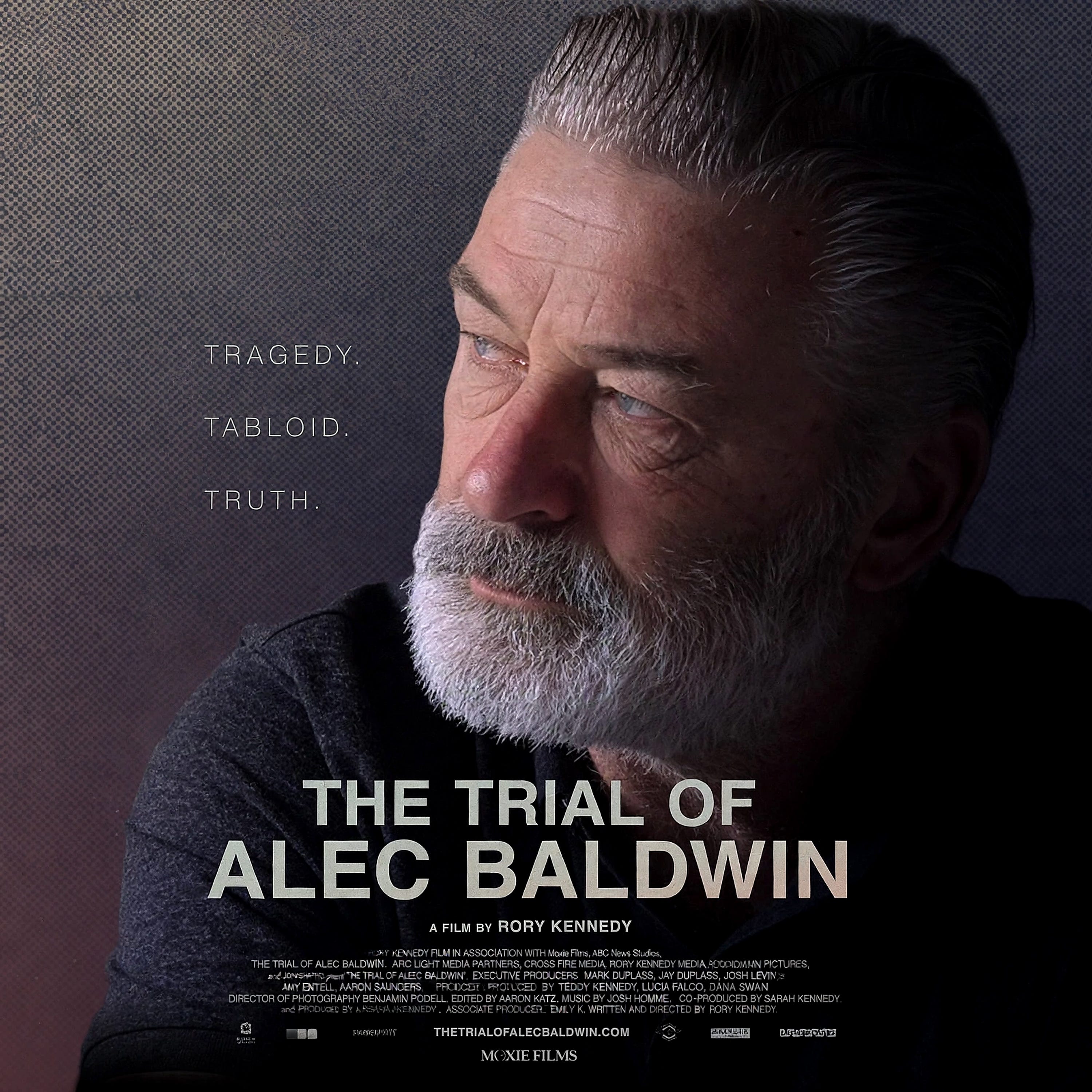
Her film tells the story of the aftermath of the 2021 accidental shooting and death of cinematographer Halyna Hutchins on the set of “Rust.”
Kennedy’s belief and assertion brings up some questions. Is her argument valid and can someone’s rough reputation, result in the legal system being more bold with charges, beyond the facts of a situation — or is this an emotional claim?
On the surface, to a large part of the court of public opinion, Kennedy’s claim will likely seem preposterous and fall on deaf ears.
A discussion group of attorneys, public relations, communications and reputation professionals provide their critical thinking and viewpoints on this topic.
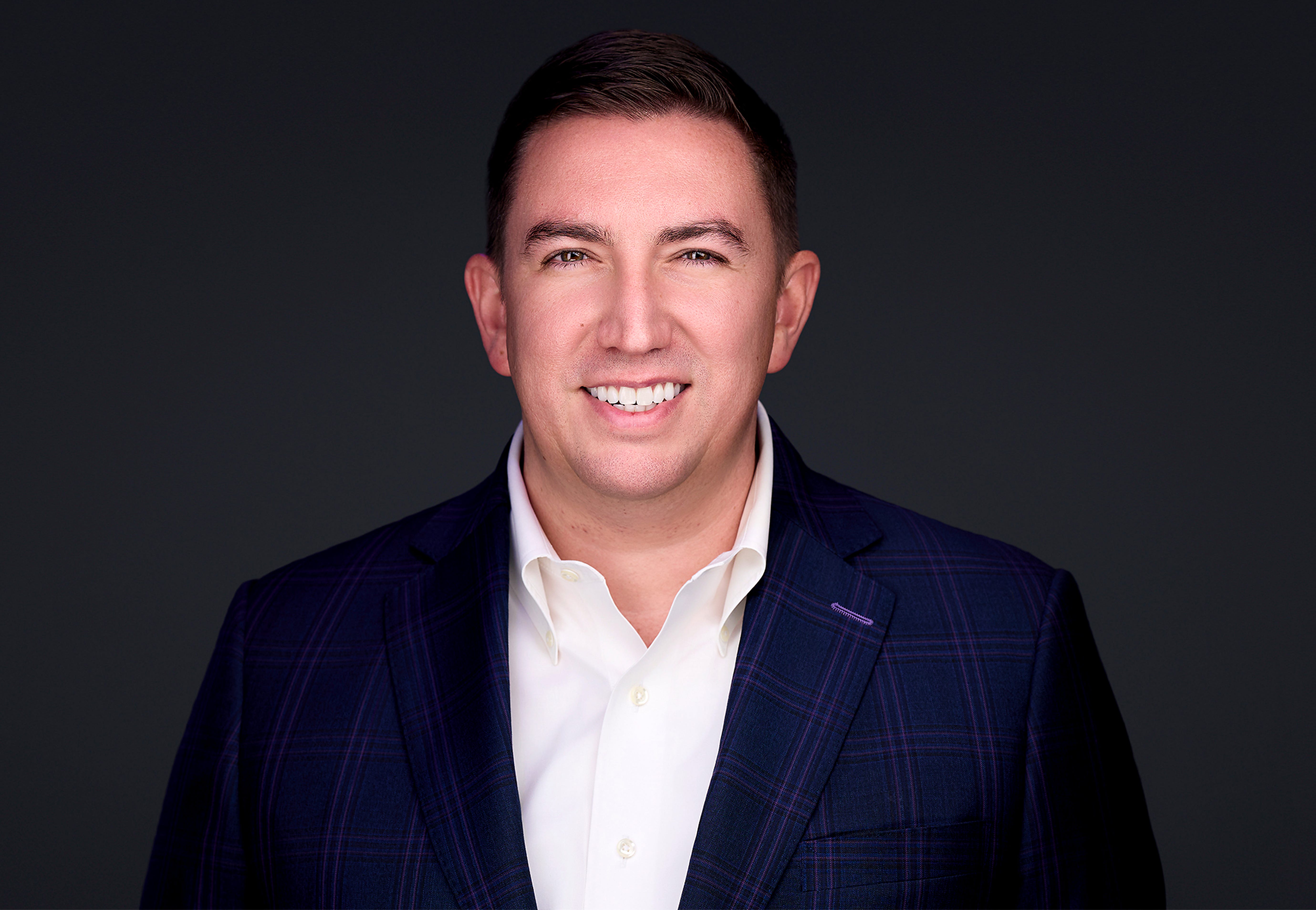
“A reputation can make one interpretation of an ambiguous event feel obvious before the facts are clear,” argues Chad Angle, the founder and managing director at Reputation Repair as well as the former managing director of ReputationDefender at Gen Digital.
“Kennedy raises a fair question about whether that dynamic played a role here,” he adds. “The court dismissed the charge after finding that the prosecution withheld evidence material to Baldwin’s defense.
However, “To conclude that his reputation drove the charging decision, I’d want evidence about how prosecutors made that decision (New Mexico court order).”
Knowledge of and practice in the legal system is important, insightful and beneficial for this topic.
“In my experience, a high-publicity case involving a controversial, potential defendant does have an impact on some prosecutors,” says Sam Bassett, a criminal defense attorney at Minton, Bassett, Flores & Carsey.
“First, it depends upon the experience and integrity of a prosecutor to try to call ‘balls and strikes’ without regard to who is the potential defendant. I have found that many overly-political or inexperienced prosecutors get swept up into the publicity and often make poor decisions, in and out of the courtroom.”
There may be more variables and catalysts than the media and public may realize.

“I do believe that there is some truth to what Kennedy says,” adds David Drwencke, a criminal defense attorney and founding partner at DRD Law.
“While each set of facts should rise or fall on its own merits, external forces can push a case forward or push it down,” he adds. “Reputation, I think, is one of many variables that play a role in it.”
There is an interesting driver, in his mind, that bears mentioning.
“Another part of this is simply the fact that Mr. Baldwin is a celebrity,” Drwencke says.
”Whether that's notorious in a negative or positive way may not necessarily matter as much as the fact that he's a celebrity in-and-of itself.”
Baldwin’s known intensity was mentioned by Eitan Soloducho, the managing partner at Edamame PR & Strategy. He also brings up the marketing value of Kennedy’s claim.
“Prosecutors have plenty of discretion and a famous guy with a temper in the headlines gets less benefit of the doubt than a quiet one,” he says. “Kennedy made a film though, so she’s selling a story. My take is, his reputation probably didn’t create the case but it likely made it easier to push.”

Sean Markey, founder at LocalSEO.net, is blunt in his assessment.
“Rory Kennedy’s claim sounds absurd until you sit in enough rooms where a decision gets made before the facts are read,” he says.
“I have watched this play out for years running a search marketing firm, built on the idea that reputation is a measurable asset — and the pattern holds, whether the arena is a courtroom or a Google results page.”
He explains his point.
“Reputation is a filter and people rarely inspect the filter before they look through it,” Markey argues. “A poor reputation can absolutely sway a legal process. Prosecutors are human and humans absorb public sentiment. A defendant with a long public history of conflict gives a prosecutor a story that is easy to sell to a jury.”
He addresses the contrary point.
“A defendant with a clean public image gives that same prosecutor a much harder room,” Markey adds. “The mechanism is simple. A pre-existing narrative tells people what to expect before they hear a single fact. Media coverage feeds that narrative back to the people making charging decisions.”

Whether a shaky or poor reputation can play a role in what happens — outcomes — to someone legally, outside the facts of a situation, is helpful to know.
“Yes, it can affect the process,” Angle asserts, adding that, “Imagine a business owner with a history of public disputes who faces a new allegation. Old clips can resurface alongside coverage of the new case and prospective jurors may see them, before they hear any evidence.”
He talks about what can happen next as a case proceeds.
“During jury selection, the court may need to ask what those people saw and whether they can set aside any impressions they formed,” he says. “A reputation can shape the questions the court has to ask before a trial gets underway.”

Back to legal expertise.
“I have had high-profile clients with negative reputations that I feel were charged based somewhat upon their history and-or reputation, rather than the facts of a given case,” Bassett recalls.
“Years ago, I represented NFL running back Cedric Benson on a series of misdemeanor charges, with 3 arrests within the same year,” he adds. “These were not very good cases to prosecute but his high profile and prior arrests caused them all to be charged.”
Bassett says that, “In the end, all were dropped.”
For Baldwin or anyone who arguably has trust issues in society, there is higher risk should a situation develop where doubt, emotions, psychology, risk management and maybe, legal opportunity, come into play.
“I believe a poor reputation can affect whether a case moves forward,” Drwencke has learned from his work. “While most of my cases don't involve individuals with public celebrity, state's attorneys' offices can — and do — run suspects' backgrounds and are aware of prior arrests and charges.
”In my jurisdiction, as in most-or-all others, the state can often backdoor previous convictions or even allegations, to strengthen the new case. In Illinois, we call it a proof of other crimes.
“Under the federal rules, it'd be a 404(b) motion or something similar. That reputation and background can play a role in whether to proceed with the case.”
There are experiences from another industry to consider and remember.
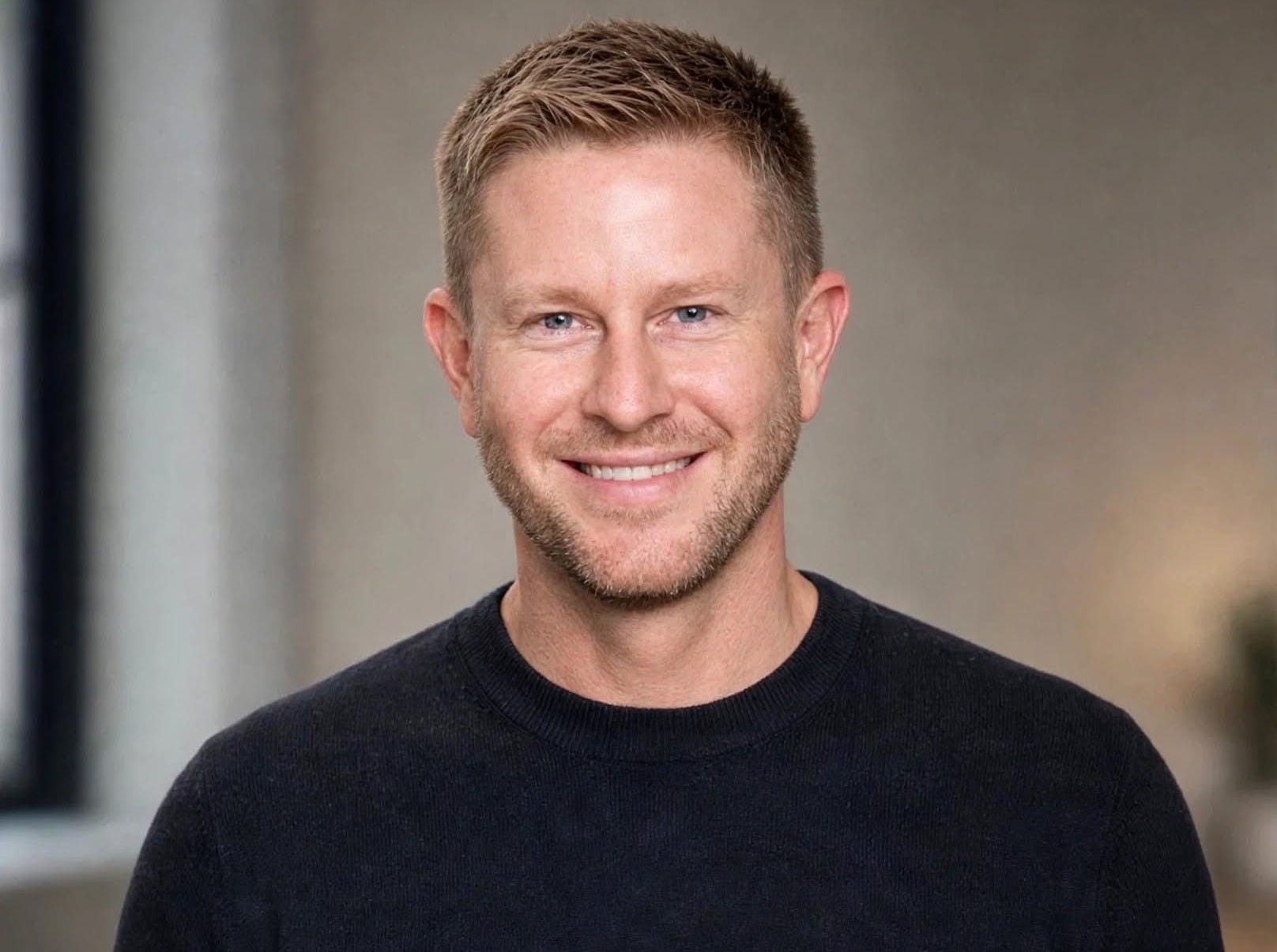
“We work closely with law firms for this exact reason,” says Scott Keever, founder and CEO at Reputation Pros, a technical online reputation management firm.
“Outdated, inaccurate or unfavorable online content can have a significant impact on how someone is perceived, particularly when they’re involved in legal proceedings.”
He has witnessed it over two-plus decades.
“In my 25 years of experience, I’ve seen how negative search results and repeated media coverage can create lasting assumptions about someone’s character, regardless of whether that information accurately reflects their current circumstances,” Keever says.
“The danger is when someone’s online reputation starts being treated as evidence of their actions, rather than the facts themselves.”
The evidence doesn’t always matter to critics, which Soloducho also addresses.
“The facts stay the same but reputation changes how generously people read them,” he says. “Say two people are in the same accident and one is known as careless. The other person gets ‘these things happen’ and he gets, ‘of course.’
“Jurors google people, just like buyers and investors google the founders we work with.”
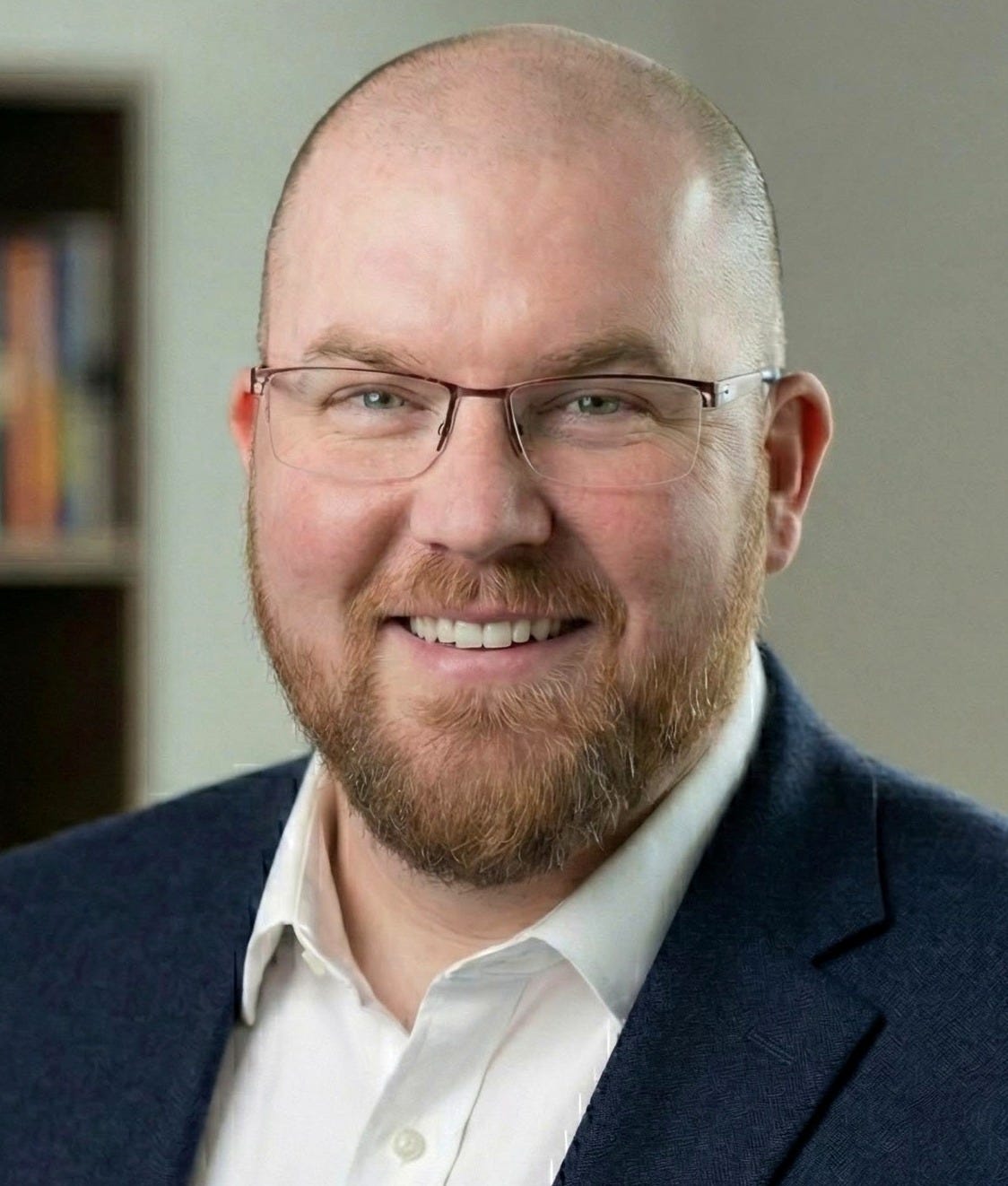
Markey also points towards the search-engine results and the lasting impact of a legal situation, sometimes regardless of how it turns out.
“A high-profile case stops being about one night on a film set and becomes a referendum on character. I see the business version of this constantly,” he says.
“A local service company with 40 bad reviews from 3 years ago walks into a negotiation and gets treated like a risk before anyone checks the work. The facts did not change. The lens did,” Markey adds, making a general point, before coming back to the Baldwin situation.
“Kennedy is pointing at something real. The evidence still decides cases but reputation decides how hard the other side fights and how willing a jury is to give someone the benefit of the doubt.
“Character is the first exhibit nobody swears in.”

Damage often comes before court.
“It usually happens early, before there’s even a trial,” says Amaury Allard, an advisor for YC-backed startups and corporations on reputation and communications — and the founder at Elyseum Influence.
“Prosecutors are human and they follow the press like everyone else. If someone is already disliked, charging them is an easier decision, because the public has already made up its mind about them. Martha Stewart is a good example.”
He reflects on her story.
“She went to prison over lying to investigators about a stock sale and I’m fairly sure her image as a cold, rich perfectionist made her a much more attractive target than an unknown executive would have been,” Allard says.
“Naturally, it also works the other way as well. People with a good reputation get more patience from everyone.
“That’s a big part of why I push clients to invest in their reputation when things are calm, since it’s very hard to fix once you are already in the headlines.”
Subscribe for free (or paid, for additional benefits)
Reputation Intelligence is a B2B and B2C services provider that also writes and publishes this newsletter focused on: situational intelligence, trust, opportunities and risks, conflict, decision-making, stakeholder relations and reputation.