

When Disinformation About You Circulates
Inflammatory falsehoods get publicly communicated, trauma happens and it may feel there is no way to make things right. What then? Remaining silent isn't normally the smartest, best 'play.'

Blindsided.
Maybe that’s happened to you too after the craziest of lies or implications were communicated in some form.
In response to that type of experience, one can say all they want, “that’s not true” or “that didn’t happen” or “I never…” and it won’t change the deeply painful fact that misinformation or disinformation about you has been disseminated in such a way that it is out there in some part of society and it publicly and privately inflicts damage.
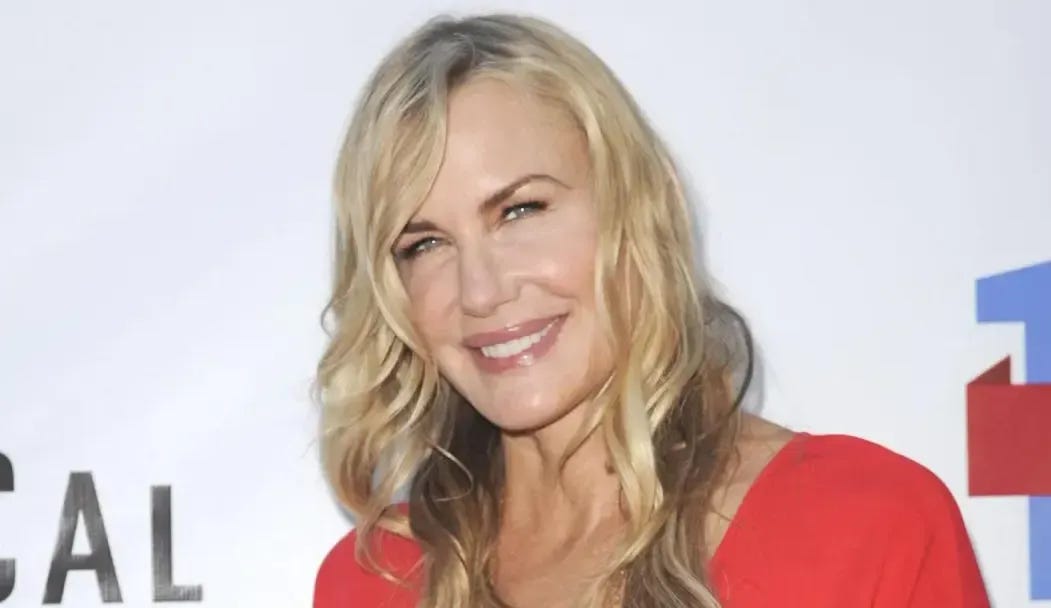
Documentary director Daryl Hannah is going through it now, forcing her to live with the what is presented about her and what people may choose to believe.
She didn’t want to speak publicly about has chosen to refute how she is being shown in the nine-episode series, Love Story: John F. Kennedy Jr. & Carolyn Bessette.
“The character ‘Daryl Hannah,’ portrayed in the series is not even a remotely accurate representation of my life, my conduct or my relationship with John,” Hannah wrote in a New York Times piece. “The actions and behaviors attributed to me are untrue.”
Whether the writers are taking artistic license or not, there are the questions of respect and morality to be considered.
Hannah went deeper into why she chose to correct the record.

“I have long believed that engaging with distortion often amplifies it,” she wrote. “But a recent tragedy-exploiting television series about John F. Kennedy Jr. and Carolyn Bessette features a character using my name and presents her as me. The choice to present her as irritating, self-absorbed, whiny and inappropriate was no accident.”
That might sound inconsequential to many yet no one wants to be presented in an insulting manner, especially when, per Hannah, it isn’t what took place and some people, possibly many, will choose to believe the fiction and develop a harsh judgment that doesn’t align with truth.
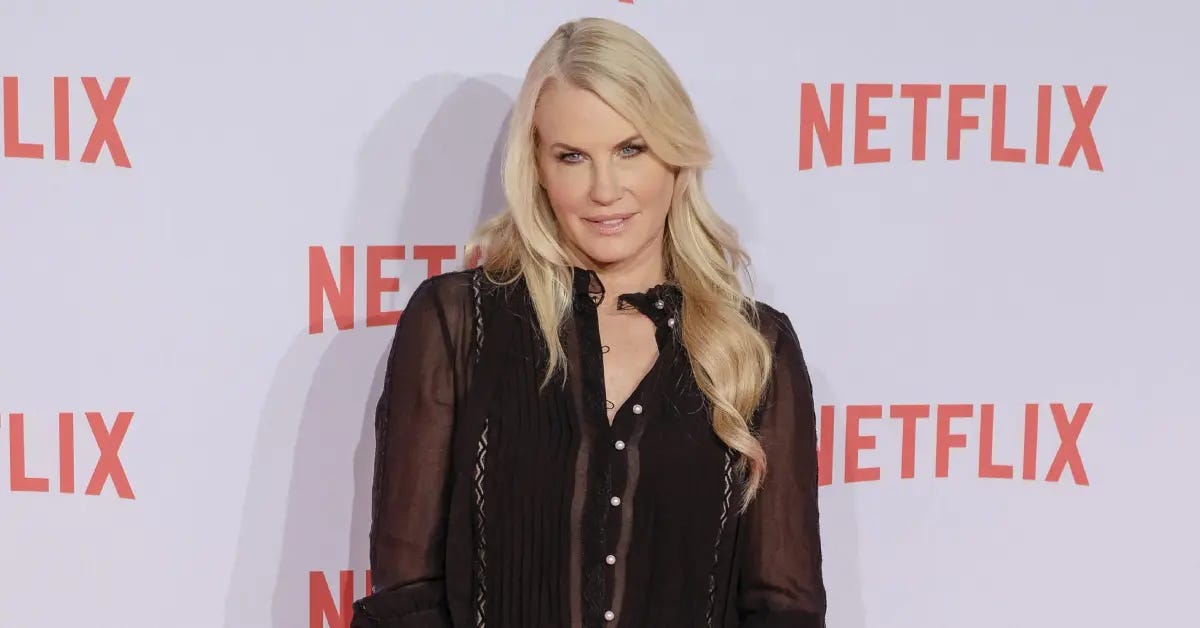
Hannah was driven to continue arguing against what she insists are lies.
“She went on to refute multiple moments depicted in the show, including a scene showing a cocaine-fueled party with her friends in which the drug has been placed on a priceless Kennedy family heirloom,” wrote Becca Longmire, at People.com.
“I have never used cocaine in my life or hosted cocaine-fueled parties,” she wrote. “I have never pressured anyone into marriage. I have never desecrated any family heirloom or intruded upon anyone’s private memorial.”

If a person has not used drugs and has chosen not to participate in that lifestyle, being fictionalized as doing so is harmful emotionally, psychologically, physically and reputationally and possibly, relationship-wise and financially.
Hannah wasn’t done refuting what apparently is a long list of wrongs.
“I have never planted any story in the press. I never compared Jacqueline Onassis’ death to a dog’s,” she rebutted. “It’s appalling to me that I even have to defend myself against a television show. These are not creative embellishments of personality. They are assertions about conduct — and they are false.”
Some may argue, “if it’s not true, you don’t have anything to worry about” or “it was a long time ago, no one cares.” Someone I once knew was often lied about and I asked how she handled it emotionally and psychologically?
Her response, as impressive as I found it, is rare. “The people who know me know it’s not true,” she told me. “Everyone else doesn’t matter.”
To most people, it does matter, a lot. Trust, a respected reputation and peace of mind are important in civilized society and for relationships and healthy interactions with the public we encounter. It’s reasonable to be in shock, traumatized, hurt, frustrated and likely, angry.
“I’ve endured a number of outrageous lies, crappy stories and unflattering characterizations before,” Hannah continued in her New York Times response.
“I chose not to battle them … to focus on my work and respect my loved ones by keeping my private life private.
“But my silence should not be mistaken for agreement with lies.”
It’s possible that someone would eventually get used to such outrageous behavior against their name yet much more likely, they never do. Hannah came to learn it was smarter and necessary to combat the people egregiously fictionalizing her.
If you’ve been there yourself or observed it up close happen to someone else you know and care about, what Hannah is saying may deeply resonate with you.

“A (representative) for Ryan Murphy didn’t immediately respond when contacted by PEOPLE for comment on Hannah’s essay,” Longmire reported.
Maybe there’s a good reason why Murphy didn’t respond and immediately, like the coverage of her complaints could get more people to watch his work, which could open Hannah up to more pain and suffering.
Sometimes, unsavory reports are factual and true. They may even be built on provable facts and convincing evidence. Yet, don’t let anyone tell you that regular citizens, some media outlets and at times, the courts, don’t play the role of accomplice in allowing misinformation or push the lies of disinformation. It absolutely takes place.
Know this though: there is almost always some level of helpful response to address what has happened or is happening to you and those around you. It may not always be the obvious, first choice though of lashing out or hiring an attorney.
Sometimes, you may not have a good case for them to proceed or you may not want to go that route. What could be the best fit could a strategy somewhat similar to what Hannah employed.
Not all of us, however, can easily be offered the opportunity to write in as large a publication as the Times. That doesn’t that a factual, truthful messaging can’t still be communicated in the smartest, most beneficial manner with a professional strategy.
Subscribe for free, no catch (or paid, for additional benefits)
Michael Toebe and Reputation Intelligence serve clients with matters of trust, stakeholder relationships and proactive and responsive communications.
Helpful guides are also available for sale.
My background includes work in research and analysis, media, conflict management, public relations, crisis communications and crisis management.
To learn more about services, you can click here. If you don’t see what you need, you are welcome to contact me below.
Really love how you show that reputational disinformation is both gut‑wrenching and deeply strategic.
Using Daryl Hannah’s story to illustrate that “doing nothing” is still a choice, and that calm, truthful correction can be its own kind of power, really lands.
As someone who thinks about governance and risk, your framing of response as reputational strategy - not just emotional reaction - feels spot on.