When Contentious Internal Workings Drive Leaders to Leave Organizations
When workplace cultures develop a reputation for being low trust and divisive, top people will often depart the dysfunction

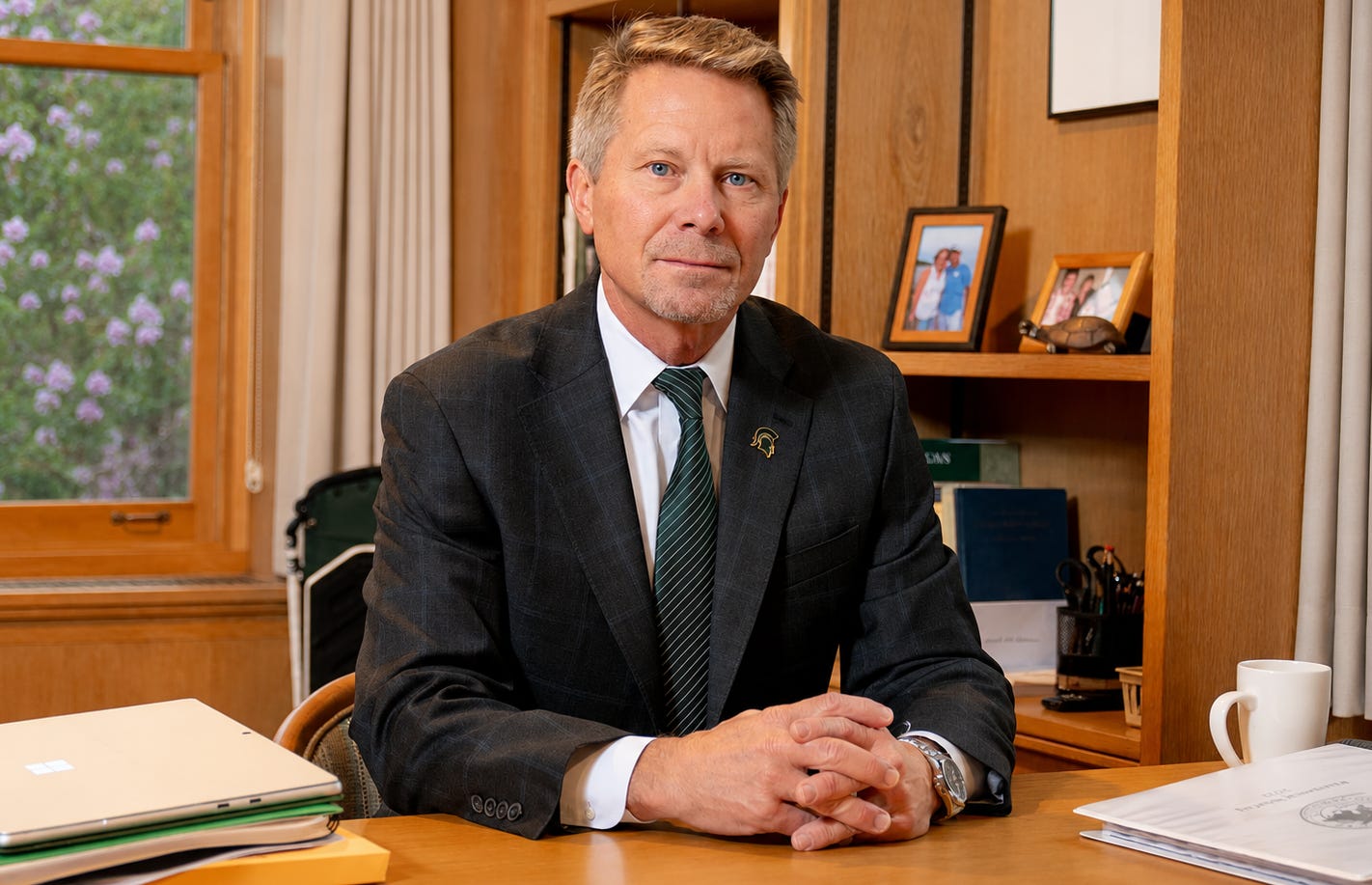
It’s uncommon for a departing leader to be boldly transparent and sharp in criticism about the people, behavior and failings of the place they have chosen to escape. Kevin Guskiewicz was different. He decided to give the gift of cutting feedback.
The now-former president at Michigan State University vented his disappointment, shock, dissatisfaction and anger on his way out the door, on his way to fill the same role at Clemson University.
“It has become increasingly clear that there are differing perspectives within the Board of Trustees regarding how best to move MSU forward,” he mildly stated in a campuswide email, before he escalated his emotions.
“At times, too much energy has been spent revisiting past conflicts and internal disagreements rather than focusing collectively on the opportunities and aspirations ahead of us,” Guskiewicz added.
This very explicit description of the problems that adults, as high-level professionals, are having with communicating and working together, likely alienated them and resulted in burned bridges. It didn’t make what he said any less correct.
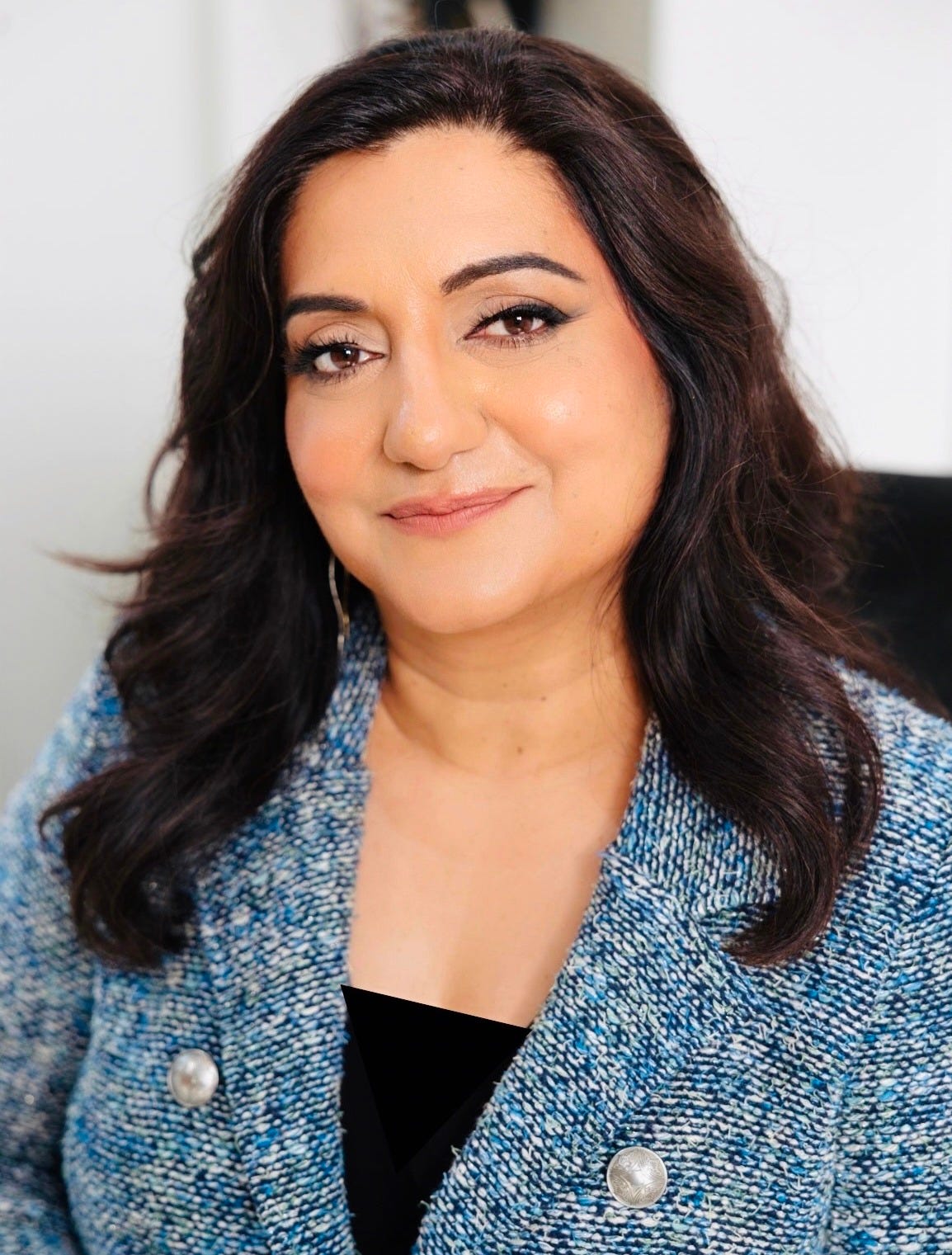
“Kevin Guskiewicz’s statement paints a vivid picture of a dysfunctional leadership team where individual agendas have overshadowed the organization,” says Kimia Penton, an organizational psychology practitioner, Fortune 10 transformation leader and the author of “Power, On Purpose.”
“Differing perspectives, revisiting past conflicts and internal disagreements suggest a culture in which trust has eroded, with the board struggling to navigate conflict in service of a shared mission.”
Self interest had become the priority and habit.
“Individual perspectives have overridden the ability of this Board to function as an effective leadership team, at the cost of the institution,” Penton says.
It can be reasonably argued that a part of Guskiewicz’s duties were to prevent, navigate and mitigate the emotional temperature and divisive, destructive behavior.
“As school president, he would have some influence among the board but little authority over the board of trustees,” Penton says.
“He would have the ability to set the tone, lean into relationships, attempt to mediate and positively influence but in the absence of appropriate governance and authority, he could not make this conflict go away.”
There are lessons to be gained for the university after a president didn’t want to work in a sour, contentious, unprofessional environment any longer.
“For this organization and any organization that wishes to retain talent, the message is to pay attention and respond to feedback,” Penton says.
“While leaders may try to support managing conflict in the short-term, sustained dysfunction often drives high-performers away.”
She elaborates as to what is often going to happen to those people observing and experiencing constant infighting.
“Talented individuals who lead with integrity, a human-centered approach, authenticity and a desire to make a positive impact,” Penton argues, “will not tolerate dysfunction long-term.”
She provides a reminder for workplaces where entrenched conflict develops or becomes the norm.
“Talented and respected individuals always have options,” Penton says. “The more that organizations fail to hold people in leadership positions accountable to appropriate behaviors and an acceptable performance standard, the more top talent they will lose.”
What isn’t remembered and focused on, she adds, ends up being high costs.
“Organizations often underestimate the cost of long-term conflict and its impact on culture,” Penton says. “A healthy culture is a retention strategy. In this case even an offer to double his salary did not keep Guskiewicz at Michigan State.”

Guskiewicz wasn’t done skewering his soon-to-be-ex-employer.
“What is perhaps most troubling is the actions of some to abuse their access to privileged and confidential information to misrepresent facts, manipulate situations and selectively use and leak that information to promote personal agendas,” he wrote.
Guskiewicz was clearly angry and it spoke loudly and clearly.
“His criticisms about board abuse of power, leaked confidential information, unethical behavior and manipulation call out a completely dysfunctional board, highlighting eroded trust, factions and personal interests, instead of a primary focus on the mission,” Penton says.
“Based on his statements, it appears that this organization’s culture has failed,” she adds. “If his statements are accurate, it is inferred that Board members have abused their power and position with over-personalization of past conflicts.”
Penton concludes that at the root are common oversights and problems.
“A core challenge is likely a lack of healthy governance, policies, procedures and accountability in place,” she summarizes.
“When the appropriate checks and balances aren’t in place and poor behavior is not met with immediate accountability and consequence, individuals can become emboldened in their toxic and self-focused behaviors.”
People notice that the boundaries either have shrunk or are absent and that invites trouble and raises the probability of risks and loss.
“Ego prevails and the collective mission fails,” Penton says.
“Guskiewicz’s decision tells us something important,” wrote Judith A. Wilde and James H. Finkelstein in The Chronicle of Higher Education.
“For years, public discussion of presidential contracts has focused on compensation. The more important story may be governance,” they added.
Wilde and Finkelstein explained:
“Guskiewicz’s departure suggests that the primary challenge is not retaining presidents with higher salaries or more lucrative benefits but retaining them despite increasingly dysfunctional governing boards,” they wrote.
This has led to strong contractual protections for them in negotiations.
“When presidents negotiate detailed termination provisions, guaranteed faculty appointments or substantial deferred-compensation arrangements, they are protecting themselves from unpredictable board behavior,” Wilde and Finkelstein argued.
Money doesn’t guarantee continued tolerance and commitment.
“Guskiewicz’s departure illustrates the limits of this approach. Michigan State was willing to increase his compensation by nearly $1 million annually but could not persuade him to stay,” Wilde and Finkelstein wrote. “Compensation can offset financial risk but it cannot repair persistent governance dysfunction.”
Their conclusion and warning shot:
“Kevin Guskiewicz is a warning,” Wilde and Finkelstein wrote.
“Until boards recommit themselves to their fiduciary role, universities will continue to discover that the most difficult leadership problem isn’t finding the right president. It is governing their own board.”
Subscribe for free (or paid, for Intelligence Briefs and the RI Column) to receive more interviews, analysis, insights and thought leadership about trust, conflict, stakeholder relationships, risk management, communications and reputation.
Connect with Michael Toebe or Reputation Intelligence on LinkedIn
or the Reputation Intelligence newsletter on LinkedIn