

Irreconcilable Differences: '60 Minutes' Dirty Laundry and Divorce
When a senior employee goes scorched earth and that communication goes public

An Intelligence Brief:
June 6, 2026
CBS and the 60 Minutes brand didn’t want its entrenched conflict with its esteemed journalists and producers going public, yet the ugly details becoming known through reporting and social media was only a matter of time.
Because of the era in which we live, management had to expect it so you can reasonably bet that it braced for impact and the radioactive fallout.
I was first alerted of it from noticing a headline in my inbox from the Washington Post:
‘It was cruel’: Scott Pelley confronts new ‘60 Minutes’ boss in fiery meeting
The veteran correspondent demanded answers on fired staff and the new executive producer’s qualifications for the job.
That was unquestionably going to generate an onslaught of comments, the majority of them which would be negative. That bet was solid gold to pay out.
Five days after the article was published: 2,178 people have weighed in about their hardened conclusions. I’m not sure if the WaPo gets hit with AI bots to skew the numbers or if that is prevented and only subscribers can communicate.
The reporting by Scott Nover and Liam Scott was highly revealing and helpful lessons can be learned from what was detailed.
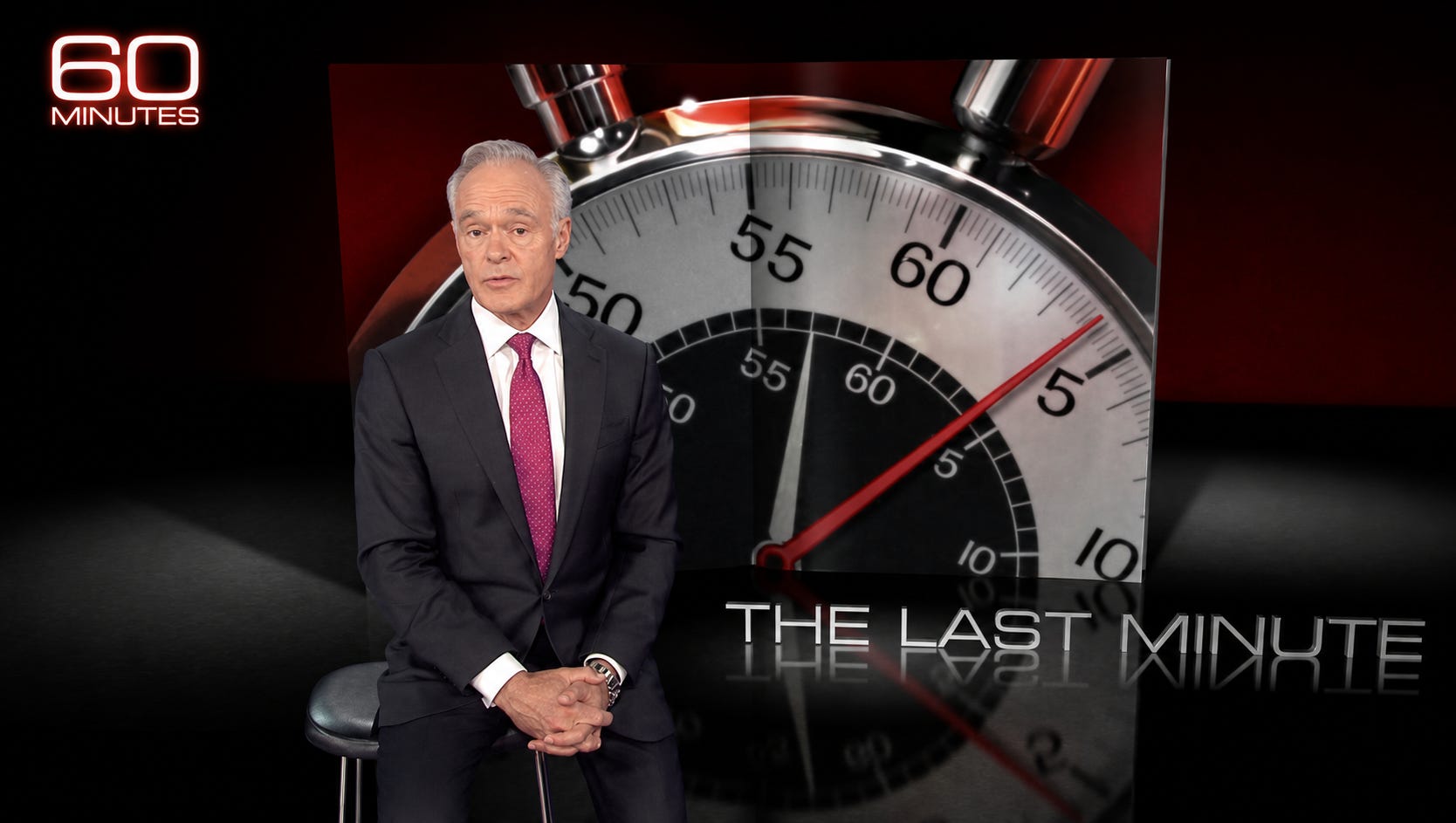
Scott Pelley, a long-standing and accomplished “60 Minutes” correspondent, had anger developing in him like a volcano ready to erupt and he let his boss, Nick Bilton, have all that magma and lava.
“What qualifies you to be in this position?” Pelley demanded.
Nover and Scott reported that this contentious communication took took place and was validated by “two staffers who spoke on the condition of anonymity for fear of retaliation, as well as an audio recording obtained by The Washington Post.”
CBS News declined to comment, they added.
Important Point: Your employees, if feeling egregiously wronged, are not guaranteeing you personally and the organization any protection from unexpected and maybe unfair blowback, media scrutiny and public exposure.
While Pelley has a strong, respected reputation in the media industry, he is speaking to a workplace superior in the hierarchy and he knows, even if he doesn’t care in the moment, that is very dangerous behavior, for his job security and how he may be viewed by select, futurem prospective employers.
His question to Bilton might have been legitimate, yet asking it aloud and in a relationship with a power imbalance, using an accusatory tone, is asking, figuratively speaking, to be shot in return. More on this later.
Helping people save face in conflict is a skill, decision and risk management.
People get to the end of their rope emotionally and psychologically and no longer care about their impulse control because they conclude, others don’t care about them.
